Confusing Emoji Blue & Orange Line Icon: A Designer's Asset
We've all been there. You're scrolling through a design, trying to find the perfect icon to represent a complex idea like "syncing," "processing," or "unexpected error," and the standard checkmark or gear just doesn't cut it. This is where a resource like the Confusing Emoji Blue & Orange Line Icon steps in, not as a literal representation of confusion, but as a versatile visual shorthand for states of inquiry, thought, and nuanced user interaction. It’s more than just a smiley face with a question mark; it's a carefully crafted design asset built for modern digital communication.
More Than a Quizzical Face: Anatomy of the Icon
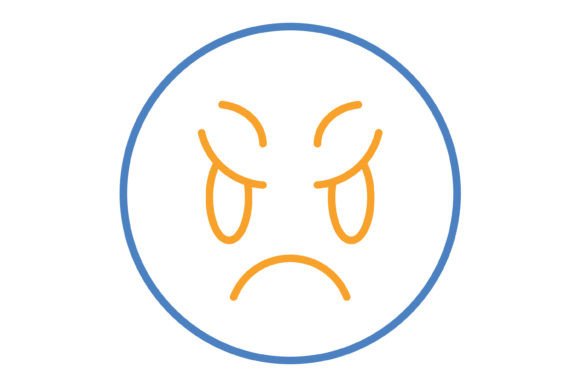
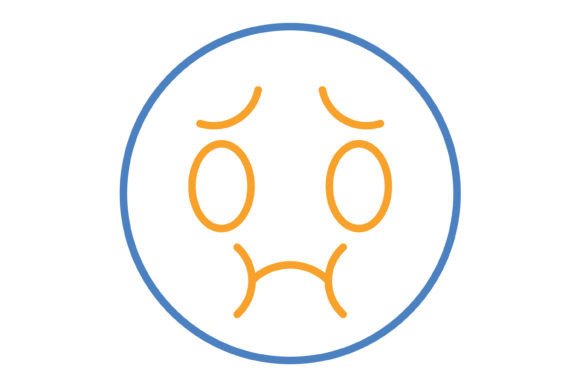
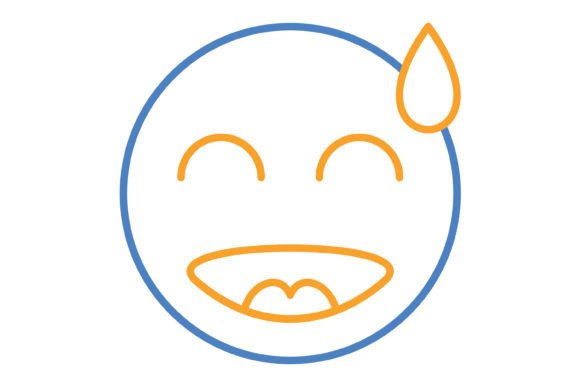
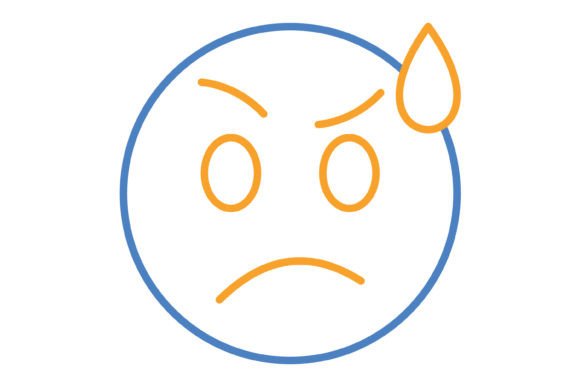
At first glance, the Confusing Emoji Blue & Orange Line Icon presents a familiar yet refined aesthetic. The line work is clean and consistent, ensuring legibility at various sizes—a critical feature for any premium font or icon set. The choice of a blue and orange color palette is intentional and strategic. Blue often conveys trust, calm, and technology, while orange injects energy, creativity, and warmth. This combination makes the icon feel both professional and approachable, avoiding the coldness of a purely monochrome set or the potential garishness of a broader, more saturated palette.
The personality of this icon is inherently modern typography in visual form. It’s designed with the same principles of clarity, balance, and purpose that guide a great typeface. Its style is minimalist enough to fit into flat design systems but carries enough character to stand out in a crowded interface. The overall appeal lies in its specificity; it solves a very particular communication gap in user experience (UX) and interface design, making it an invaluable part of a designer's toolkit for web design and mobile apps.
Where This Icon Truly Shines: Practical Applications
The true value of the Confusing Emoji Blue & Orange Line Icon is realized in its application. Its utility spans far beyond a single use case, making it a cornerstone for various design assets.
- Digital Interfaces & Apps: This is its home turf. Use it for loading states, empty states (e.g., "No results found?"), help or FAQ buttons, or to visually punctuate tooltips and instructional copy. It guides users with a friendly, human touch.
- Branding & Marketing: In brand identity, consistency is key. Incorporating this icon into your brand's visual language for social media graphics, email newsletters, or presentation slides can reinforce a brand personality that is helpful, intelligent, and transparent. It’s a subtle way to make your brand more relatable.
- Publishing & Editorial Design: For bloggers, content creators, and publishers, this icon can serve as a dynamic element in editorial design. It can break up text-heavy sections, highlight reader questions in a Q&A post, or act as a recurring motif in a series about learning or problem-solving.
- Print & Physical Products: Don't limit it to screens. Its scalable vector formats (AI, EPS, SVG) make it perfect for print projects. Think educational materials, interactive worksheets, product packaging that encourages customer inquiry, or even unique elements in packaging design for a tech or creative product.
Integrating the Icon: Strategy and Considerations
Simply having the Confusing Emoji Blue & Orange Line Icon isn't enough; using it effectively is what elevates your work. Here’s how to think about its integration.
Influencing Visual Hierarchy and Engagement
An icon of this nature does more than decorate. It creates a visual pause, drawing the eye and signaling a moment of interaction or reflection. In a long article or a complex app screen, it can improve readability by breaking monotony and providing cognitive relief. This, in turn, boosts audience engagement because users feel guided and understood. It contributes to a sense of professionalism by showing attention to detail in user communication.
Evaluating Fit and Ensuring Consistency
Before using it, ask: Does this icon's personality match my project's tone? It's ideal for tech, education, creative services, and community-focused brands. For a luxury brand with a very formal voice, it might be too casual. The key is consistency. If you use it on your website's 404 page, consider using related icons from the same set for your loading animations to create a cohesive system.
Practical Workflow and File Formats
The included file formats are a testament to its readiness for any project. The ZIP file containing AI, EPS, JPG, PNG (with a transparent background), and SVG files covers all bases. The SVG is perfect for web design as it scales infinitely without losing quality. The PNG is ready for quick use in presentations or social media posts. The vector files (AI, EPS) allow for complete customization in Adobe Illustrator—you can adjust stroke weights, modify the expression, or change the color scheme to perfectly match your brand identity palette.
Ultimately, the Confusing Emoji Blue & Orange Line Icon is a small but mighty piece of the larger puzzle of effective visual communication. It’s a practical, well-designed solution that acknowledges the complexities of human interaction in digital spaces. For the designer, entrepreneur, or content creator, it’s a tool that helps bridge the gap between functionality and personality, making your projects not just work, but resonate.