Hajime Font Duo: Blending Modern Sans-Serif with Handwritten Charm
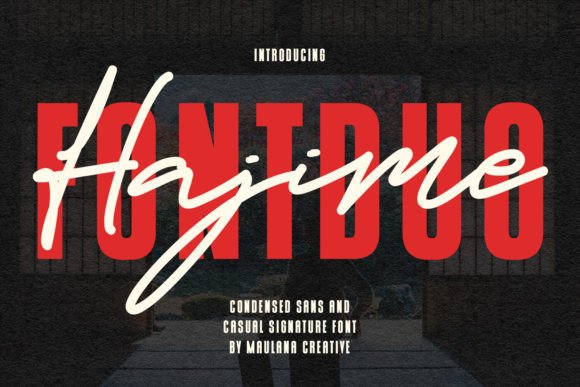
Finding the right typography often feels like searching for a missing puzzle piece. You have the concept, the color palette, and the imagery, but without the right lettering, the message falls flat. For designers and business owners who need a solution that balances professional structure with a human touch, the Hajime Font Duo offers a compelling answer. This collection pairs a condensed sans-serif with a trendy handwritten script, creating a versatile toolkit for modern design projects. It is not just about pretty letters; it is about creating a visual language that communicates sophistication and personality simultaneously.
The core of this package is the striking contrast between its two main components. The sans-serif portion features a sleek and condensed design. In typography, condensed fonts are workhorses. They allow you to fit more information into tight spaces without sacrificing legibility. Think of magazine covers, website headers, or event posters where you need a headline to pop immediately. The Hajime sans-serif delivers that impact. It has a clean, geometric structure that feels contemporary and authoritative. It commands attention, making it an ideal display font for headlines and branding elements that need to look sharp and decisive.
However, a design built solely on rigid geometry can sometimes feel cold or corporate. This is where the script element of the Hajime Font Duo steps in. The companion font is a trendy handwritten script that mimics natural penmanship. It brings warmth, fluidity, and an organic quality to the design. When used alongside the sans-serif, it creates a natural hierarchy. The sans-serif grabs the eye, while the script invites the viewer to read closer, adding a layer of elegance and intimacy. This combination is particularly effective for brands that want to appear established and professional yet approachable and human.
Practical Applications for Modern Creators
Understanding the visual characteristics of a premium font is one thing; knowing how to apply it to real-world scenarios is another. The versatility of the Hajime Font Duo makes it a valuable asset across a wide range of creative industries. Whether you are working on digital platforms or physical products, this typeface adapts to the context.
In the realm of logo design, the duo shines brightly. A common strategy in modern branding is to use the sans-serif for the company name to ensure it is legible at all sizes, from business cards to billboards. The script font can then be used for the tagline or a secondary brand element, adding a signature feel. This creates a balanced mark that feels both professional and unique. For packaging design, this combination is equally powerful. Imagine a coffee bag or a skincare label: the bold sans-serif can highlight the product name, while the handwritten script might describe the flavor notes or ingredients, giving the product a crafted, artisanal vibe.
For those in the digital space, such as web design and social media graphics, the Hajime Font Duo solves the problem of visual fatigue. Social media feeds are crowded. A static, standard font often gets scrolled past. The dynamic pairing of a condensed sans and a flowing script creates visual interest that stops the thumb. It is excellent for creating quote graphics, promotional banners, or Instagram stories that need to convey a message quickly but stylishly. In editorial design, such as blog headers or magazine layouts, this font pairing helps break up text blocks and guides the reader’s eye through the content hierarchy.
Strategic Typography and Brand Identity
Choosing a font is a strategic decision that influences how an audience perceives a brand. Typography affects readability, visual hierarchy, and brand perception. When you select a creative font like the Hajime collection, you are making a statement about the brand's values. The condensed sans-serif suggests efficiency and modernity, while the script suggests creativity and care.
Visual hierarchy is perhaps the most critical function of this duo. Good design directs the viewer’s attention. By using the bold, sans-serif display font for the most important information and the handwritten font for supporting details, you create an intuitive reading order. This reduces cognitive load for the viewer, making your marketing materials more effective. It ensures that the key message—whether it is a "50% Off" sale or a "New Arrival" announcement—is impossible to miss.
Furthermore, consistency is key to building a recognizable brand identity. By utilizing the various weights and styles often included in a premium font package, you can maintain a cohesive look across all touchpoints. From your website navigation to your email newsletters and printed flyers, the Hajime Font Duo provides enough variety to keep things interesting without looking disjointed. It allows for a unified aesthetic that builds trust and professionalism over time.
Guidance for Choosing and Pairing Fonts
While the Hajime Font Duo is designed to work together seamlessly, there are practical considerations to keep in mind to maximize its potential. First, always consider the specific context of your project. While this is a versatile font pairing, it leans towards a modern, stylish aesthetic. It works beautifully for lifestyle brands, fashion, food and beverage, and creative agencies. For very formal, legal, or traditional corporate documents, a standard sans serif font or serif font might be more appropriate.
When integrating this duo into your design system, test for readability across different devices and sizes. The condensed nature of the sans-serif is excellent for headlines, but for long-form body text—like paragraphs on a website or a brochure—ensure the line height and spacing are adjusted properly. Generally, condensed fonts require more breathing room to remain legible. The script font should be reserved for short bursts of text; script fonts and handwritten fonts are rarely suitable for body copy as they tire the eyes quickly.
Finally, pay attention to licensing. If you are a small business owner or a freelancer, ensure you understand the terms of use for your design assets. Most commercial fonts require specific licenses for different types of usage (e.g., desktop vs. web vs. app). Checking the license details ensures you are using the font legally, protecting your business and respecting the work of the type designers. By treating typography as a core component of your strategy rather than an afterthought, you elevate the quality of your work and the professionalism of your brand.