Unlocking Creativity with Children School Font
In the crowded landscape of modern typography, finding a typeface that genuinely bridges the gap between professional polish and authentic warmth can be a challenge. Children School Font emerges as a compelling solution, offering a magical script aesthetic that feels both personal and refined. It is not merely a collection of letters; it is a carefully crafted tool designed to inject a touch of elegance into projects that demand a human connection. For designers, entrepreneurs, and creators ranging from ages 20 to 50, this font represents a versatile asset for transforming standard layouts into true works of art.
The Visual DNA: More Than Just a Handwritten Font
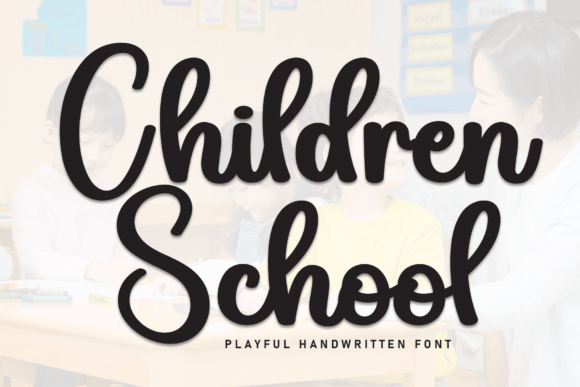
At its core, Children School Font belongs to the category of script fonts, but it distinguishes itself through a specific balance of whimsy and sophistication. Unlike rigid, technical typefaces, this font mimics the natural flow of handwriting, featuring soft curves and a rhythmic baseline. It captures the essence of a handwritten note without sacrificing legibility, which is often a pitfall of display fonts. The visual personality of this typeface is approachable and friendly, making it an excellent choice for brands that want to appear trustworthy yet creative.
When analyzing the structure of Children School Font, you will notice the subtle variations in stroke weight. This characteristic prevents the text from looking flat or mechanical, adding depth to the visual hierarchy of your design. It functions beautifully as a creative font for headers and pull quotes, where the eye needs to rest on something engaging. However, unlike some aggressive script fonts, it maintains a clarity that allows for occasional use in subheadings or short descriptive text, provided the background is clean and the sizing is appropriate.
Strategic Applications: From Digital Platforms to Physical Products
Understanding where to deploy a typeface is just as important as selecting it. Children School Font excels in environments where personality is paramount. For social media graphics, particularly on visual platforms like Instagram, this font can significantly boost engagement. The algorithm-driven feeds of today often reward content that stops the scroll, and the unique, elegant flair of this script font provides that necessary visual interruption. It is ideal for quote cards, promotional banners, and story highlights where a personal touch is required.
Beyond the digital realm, the utility of Children School Font extends into packaging design and editorial design. Imagine a boutique bakery or a handmade candle business; the packaging needs to reflect the care put into the product. Using this font on labels or boxes instantly communicates that artisanal quality. Similarly, in editorial design, such as magazine headers or blog graphics, it breaks the monotony of standard serif or sans serif blocks, guiding the reader’s eye and establishing a distinct mood.
For those involved in DIY projects or creating digital assets, the adaptability of this font is a significant advantage. It is a premium font that feels at home on wedding invitations, greeting cards, and educational materials. Because it functions well as a display font, it adds a layer of professionalism to logo design for businesses targeting families, children, or creative industries. It strikes a balance that many modern typography tools miss: it is playful enough to be engaging but structured enough to be taken seriously.
Technical Considerations and Pairing Strategies
While the aesthetic appeal of Children School Font is evident, successful implementation requires technical awareness. One of the most critical aspects of using any script font is font pairing. Because Children School Font has a strong personality, it requires a grounding partner. Pairing it with a clean, geometric sans serif font for body text is a classic strategy that ensures readability while allowing the headers to shine. Alternatively, combining it with a robust serif font can create a vintage or traditional aesthetic, depending on the specific weights chosen.
When integrating this typeface into your brand identity, consistency is key. You must evaluate how the font renders across different mediums. Does it maintain its elegance on a mobile screen? Is it legible when printed on textured paper? Children School Font is designed to be versatile, but testing it in context is the best practice. For web design, ensure that the font size for headers is large enough to appreciate the swashes and details, but avoid using it for long paragraphs of body copy, as this can strain the reader's eyes.
Furthermore, consider the licensing aspect. As a commercial font, it is typically licensed for specific uses, including client work and merchandise. This is a vital consideration for small business owners and freelancers. Investing in a premium font like this ensures that your design assets are legally sound, protecting you from copyright issues down the line. It is a professional standard that elevates your work above the generic free fonts found on the web.
Refining Your Design Workflow
Incorporating Children School Font into your workflow should be a deliberate process. Start by establishing your typographic scale. Use the font for your primary call to action or main headline to set the tone. Then, select your secondary typeface to handle the information-heavy sections. This contrast creates a visual rhythm that is pleasing to the eye and effective for communication.
Color also plays a significant role in how this font is perceived. Soft pastels or muted earth tones often complement the "magical" and "elegant" qualities of the typeface, making it perfect for lifestyle branding. Conversely, using high-contrast colors like black or deep navy can give the font a more modern, edgy feel suitable for social media graphics targeting a younger demographic.
Ultimately, Children School Font is more than just a trend; it is a functional typeface that serves a specific purpose in the designer's toolkit. It bridges the gap between the impersonal nature of digital text and the warmth of human handwriting. By applying it thoughtfully to your logo design, marketing materials, or creative projects, you leverage its inherent charm to build a stronger connection with your audience. It is a testament to the power of good typography: the ability to transform a simple message into a memorable experience.